
- Bsc
- Degree
- IT
- Networking
- Career
Reflecting on My BSc (Hons) in Information Technology Specializing in Computer Systems & Network Engineering at SLIIT (2021–2025)
By Pivithuru Milan Perera5 min read
When I look back at my journey starting from July 2021 all the way to completing my final requirements, enrolling in the BSc (Hons) in Information Technology specializing in Computer Systems and Network Engineering (CSNE) at the Sri Lanka Institute of Information Technology (SLIIT) was one of the most defining choices of my professional life.
If you are a prospective student, a parent, or an aspiring IT professional trying to figure out if this specific degree path is worth the late-night lab sessions and grueling exams, let me pull back the curtain and share how it actually went for me.
The Reality of the Early Years: Laying the Concrete Foundation (2021–2022)
Every engineering journey starts with a mountain of theory that makes you wonder when you’re actually going to touch a router. My Year 1 and Year 2 were packed with core fundamentals everything from Mathematics for Computing and Engineering Mathematics to Digital and Analog Electronics, Operating Systems, and Database Design. Balancing logic gates, programming concepts, and probability statistics wasn't a walk in the park.
While learning code and foundational software architecture (Object-Oriented Programming) felt intense at first, modules like Computer Systems Administration and Advanced Internetworking in Year 2 started shifting the perspective from generic IT to real hardware, server administration, and low-level system behavior.
Specializing and Scaling Up: Year 3 and Enterprise Realities
By Year 3, the degree became much more focused on network engineering, and I began to see how the concepts from the earlier years connected to real enterprise environments. This was where things got genuinely exciting. Looking back at my transcript, some of my favorite and most demanding milestones happened here:
Diving Deep into Networks: Tackling modules like Wide Area Networks (WAN), Directory Services and Network Management, and Wireless Communications gave me the practical vocabulary and mental models needed for enterprise environments.
Security Roots: Doing coursework in Network Security Engineering laid down the bedrock blocks that eventually led me down the road of enterprise firewall architecture and security engineering.
The Practical Jump: The transition from passive textbook learning to active topology management during Year 3 was a major turning point. Working on the Network Technology Project (which earned an A-) proved that breaking things in a controlled lab environment is the fastest way to learn how to troubleshoot them in production.
As a group endeavor, this module went beyond technical implementation; it was instrumental in building public speaking confidence and strengthening core team-leading skills. Our team developed an IoT-based automated solar tracking and monitoring system. Despite the technical hurdles, thanks to the collaborative effort of my team members and the guidance of our supervisor and co-supervisor, we successfully built a research-backed product complete with a backend database and a live monitoring dashboard.
The Final Stretch: Research, Cloud, and Industry Placement (2024–2025)
The final year of the CSNE path at SLIIT is designed to push you out of the classroom and straight into the corporate landscape.
Virtualization & Enterprise Design: Modules like Virtualization and Cloud Computing Technologies and Design and Management of Enterprise Network hit right at the intersection of modern infrastructure. This wasn't just about legacy routing anymore; it was about how modern cloud and enterprise setups scale.
The Industry Placement Turning Point: Securing my Industry Placement and executing the 16-credit Research Project bridged the gap between student life and professional engineering. It taught me how to handle corporate expectations, project management, and high-pressure troubleshooting long before I stepped into a full-time pre-sales engineering role. More importantly, it was a major turning point for everyone in our batch because we could finally connect all the technologies and information gathered throughout the BSc one by one, discovering the connections between every single detail we learned and seeing the bigger picture.
The Final Year Research Project: Every CSNE student is required to complete a final-year project with their 4-member group, spanning the entire 4th year. The countless late-night working sessions and online meetings we put into completing it were a major part of the experience. Our project was titled "Smart vertical farming bridging with green house automation for sustainable urban agriculture." Thanks to the invaluable guidance of our supervisor, Prof. Anuradha Jayakody, and co-supervisor, Ms. Dinithi Pandithage, we were guided step-by-step until we could successfully present our final-year project at the 16th International IEEE Conference on Computing, Communication and Networking Technologies (ICCCNT). a truly massive milestone and an unforgettable experience.
Final Verdict: Is the SLIIT CSNE Degree Worth It?
I officially completed all the prescribed requirements for my degree on December 1, 2025. If you are wondering whether this degree prepares you for the real world, my answer is a resounding yes, provided that you do more than simply study for exams.
The curriculum is comprehensive and covers the essential foundations of enterprise networking and systems. More importantly, it develops the broader skills required to work effectively in a professional environment. Alongside technical knowledge, I developed analytical thinking, problem-solving, communication, teamwork, leadership, and network troubleshooting skills. These areas are closely connected in real-world IT environments, where solving a technical problem often requires not only understanding the technology, but also communicating clearly, working with others, and making sound decisions under pressure. These skills go beyond academic knowledge and prepare you to approach real-world technical and professional challenges with confidence.
The Catch: A degree gives you the blueprint, but your career is built on what you do outside the standard lectures. Building home labs, chasing underlying concepts, and taking your practical lab sessions seriously are what truly translate to the industry.
To anyone stepping into SLIIT for Computer Systems and Network Engineering (CSNE): embrace the complex labs, don't fear the hardware configuration errors, and treat every troubleshooting failure as a lesson for the real world. It lays a foundation you won't regret.
**go trough the link for more information**
Keep reading
More articles
Explore other writeups on network security, firewalls, and practical engineering.
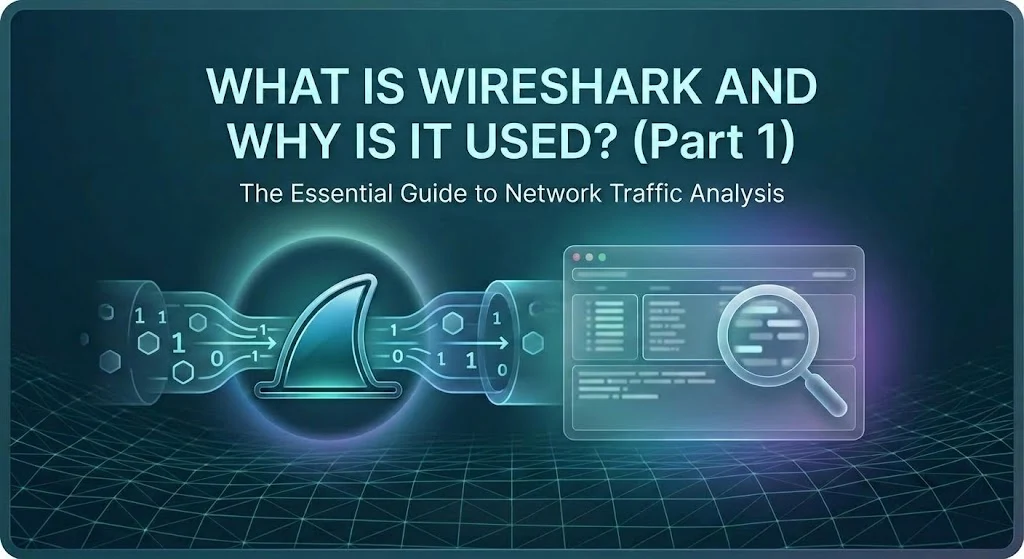
what is wireshark and why it is used ? (Part 1)
Wireshark is a network protocol analyzer that allows us to capture and inspect network packets as they travel between devices. Instead of simply looking at whether a connection works or fails, Wireshark allows us to look inside the communication and understand what is happening at the packet level.
The Hidden Vulnerabilities of Public Wi-Fi: Why Open Networks Are a Trap
Ever logged onto a coffee shop's "free" Wi-Fi and did your office work while enjoying a good cup of coffee freely and happily, did you feel completely safe on free Wi-Fi? Think again. Behind that open connection lies a silent playground for hackers where passwords don't even need to be cracked, because your active sessions are stolen in plain sight. Discover why multi-factor authentication isn't enough and what you can do right now to protect your data before your next public login. Read the full post to uncover the hidden traps of unsecured networks!
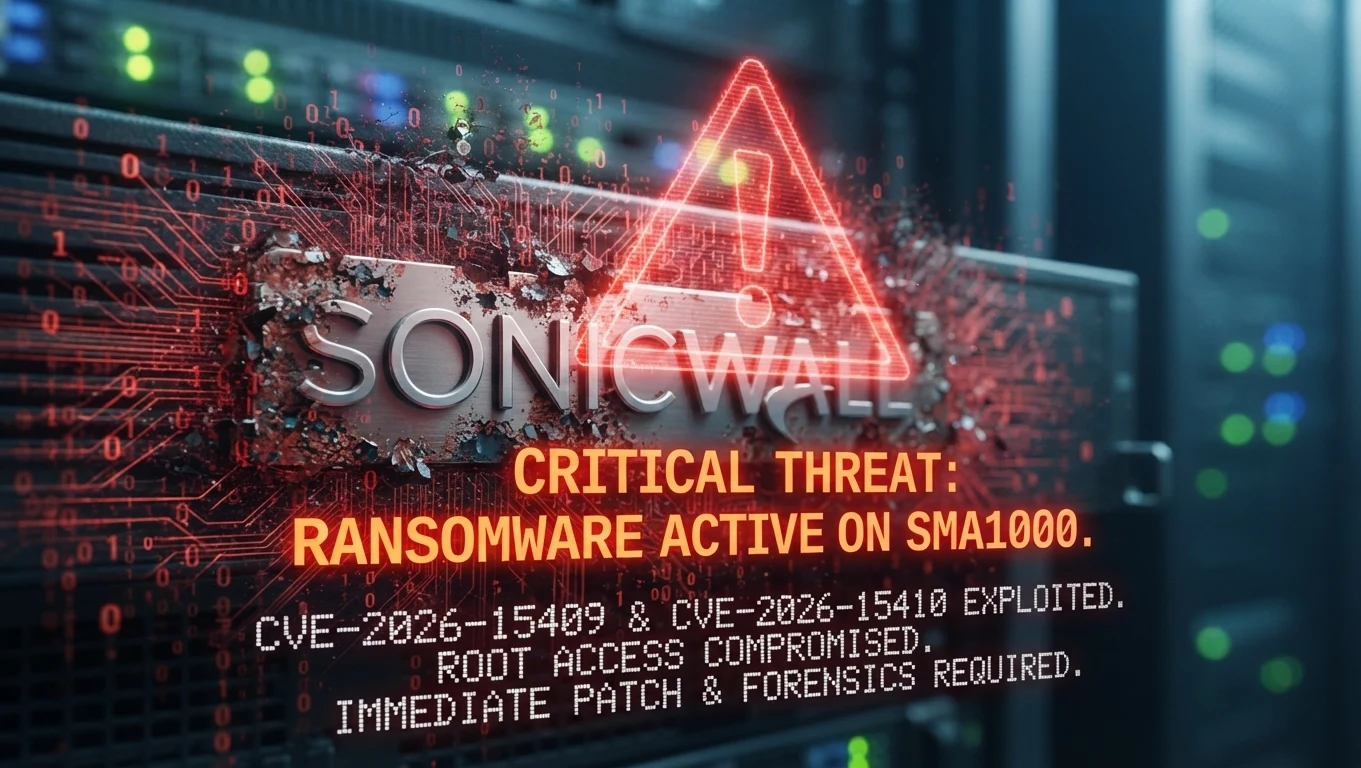
Urgent Security Alert: Active Exploitation of SonicWall SMA1000 Vulnerabilities Threatens Enterprise Infrastructures
Enterprise environments are facing significant security threats after the confirmation that ransomware operators are actively exploiting two high-severity zero-day vulnerabilities affecting SonicWall Secure Mobile Access (SMA) 1000 appliances.
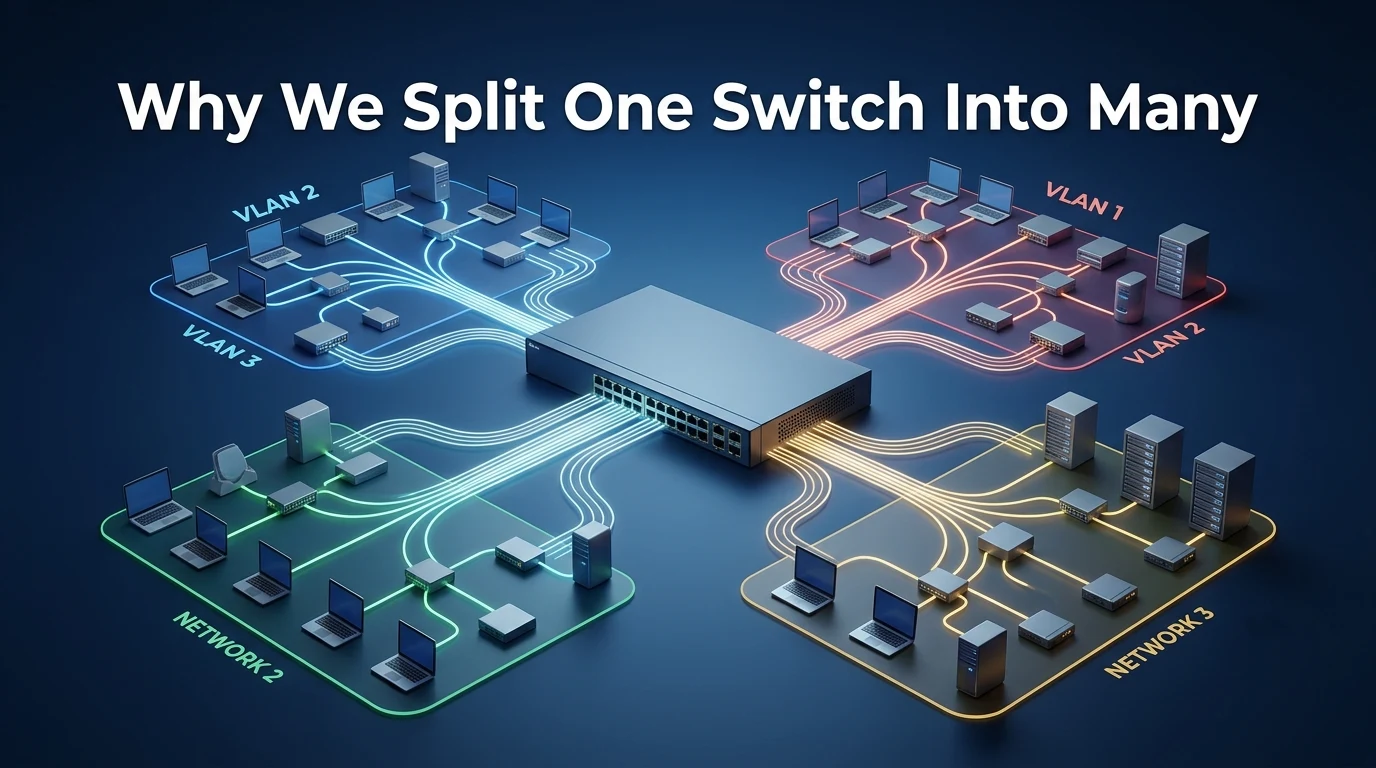
VLAN Basics: Why We Split One Switch Into Many
Tags, ports, PVIDs, and trunks explained from the ground up, starting with the problem VLANs actually solve