
- Hillstone
- Solution
- Network Security
Your Web App Is the Target. Is Your WAF Actually Ready?
By Pivithuru Milan Perera5 min read

In 2023, a major financial services firm suffered a data breach not through a network intrusion but through a single misconfigured API endpoint. Attackers didn't need to break through firewalls or crack credentials. They simply sent malformed requests that the application quietly accepted, and walked out with millions of customer records.
Stories like this are becoming the norm. As businesses move more of their operations online, the web application layer has become the most common attack surface and one of the most overlooked. Traditional perimeter security wasn't built for this world. Neither were many first-generation WAFs.
So when evaluating modern web application firewalls, the real question isn't just what threats does it block, it's how intelligently does it block them, and how much overhead does it add to your team?
Hillstone Networks' W-Series WAF takes an interesting approach to both questions. Here's what stands out, and what security teams should think through when evaluating it.
The False Positive Problem Is Real and Expensive.
Ask any security engineer about WAF they have experienced, and you'll hear the same story, too many alerts, too many legitimate requests blocked, too much time spent tuning rules. A WAF that blocks everything isn't security, it's disruption.
The W-Series addresses this with a dual-engine architecture. The first layer handles classic signature and rule-based detection fast, reliable identification of known attack patterns like SQL injection and XSS. The second layer is a semantics analysis engine that evaluates the full context of HTTP traffic rather than isolated fragments.
This distinction matters more than it might seem. Attackers have long used multi-layer encoding to disguise payloads, wrapping malicious content in URL encoding, Base64, or HTML entities to slip past pattern-matching rules. The semantics engine performs recursive decoding to peel back these layers before analysis.
The result, according to Hillstone, is roughly a 30% reduction in false positives. That's a meaningful operational improvement fewer blocked legitimate users, and less time your team spends chasing noise.
API Security Is No Longer Optional
If your organization has adopted microservices, built a mobile app, or integrated third-party services, you have APIs. And those APIs are now a primary attack vector often poorly documented, inconsistently authenticated, and rarely covered by traditional WAF rules.
The W-Series includes dedicated API protection that validates traffic against OpenAPI specifications and automatically generates positive security model policies. In practice, this means the system learns what valid API behavior looks like and flags deviations rather than only reacting to known-bad patterns.
This is particularly valuable for catching abuse scenarios that don't look like traditional attacks: excessive data harvesting, parameter tampering, or unauthorized access to endpoints that were never meant to be public. These are the kinds of threats that fly under the radar of signature-based tools.
Machine Learning That Actually Reduces Admin Work
"Machine learning" is a phrase that's been stretched thin in security marketing. So it's worth being specific about what it means here.
The W-Series uses ML to build behavioral baselines for your applications analyzing cookies, HTTP methods, URL structures, request parameters, and user interaction patterns. When traffic deviates significantly from that baseline, it flags potential zero-day or novel attack attempts that wouldn't match any existing signature.
More importantly, the system uses this same learning to automatically adjust security policies as your applications evolve. This is the part most teams underestimate. the cost of maintaining a WAF isn't just the initial deployment, it's the ongoing tuning every time a new feature ships, a new endpoint goes live, or traffic patterns shift. Automated policy optimization directly reduces that burden.
The caveat worth acknowledging: ML-based systems need time and quality traffic data to build accurate baselines. During the learning period, teams should expect to validate recommendations carefully. This isn't a limitation unique to Hillstone, but it's something to plan for in any ML-driven security tool.
Visibility Matters as Much as Blocking
Blocking threats is only half the job. The other half is understanding what's happening, quickly enough to act on it.
The W-Series provides multi-dimensional log correlation and analytics designed to help security teams connect events across time and context. Rather than reviewing raw logs line by line, analysts can identify patterns, investigate suspicious activity, and tune policies based on actual traffic data.
The automated asset discovery feature is worth calling out specifically. In fast-moving environments, new web servers and applications get spun up regularly often faster than security teams can track. Automatically bringing newly discovered assets under protection, without requiring manual configuration each time, is a practical answer to a very real operational problem.
Who Should Be Looking at This?
The Hillstone W-Series is most relevant for organizations that:
- Run multiple web applications and APIs, especially in cloud or hybrid environments.
- Have experienced WAF alert fatigue or have largely-ignored security dashboards.
- Are adopting microservices or have complex API ecosystems.
- Need to demonstrate OWASP Top
10 coverage for compliance purposes.
- Want to reduce the manual overhead of ongoing security policy maintenance.
The Bottom Line
The threat landscape targeting web applications and APIs has outgrown tools built around static rule sets and perimeter thinking. Hillstone's W-Series makes a credible case for intelligent, layered protection combining proven signature detection with contextual analysis, dedicated API security, and ML-driven automation that reduces (rather than adds to) operational overhead.
No WAF is a silver bullet, and the right choice always depends on your specific environment, team capacity, and risk profile. But the dual-engine approach and API-first design philosophy make the W-Series worth a serious evaluation for any organization treating web application security as a priority. which, at this point, should be all of them.
Keep reading
More articles
Explore other writeups on network security, firewalls, and practical engineering.
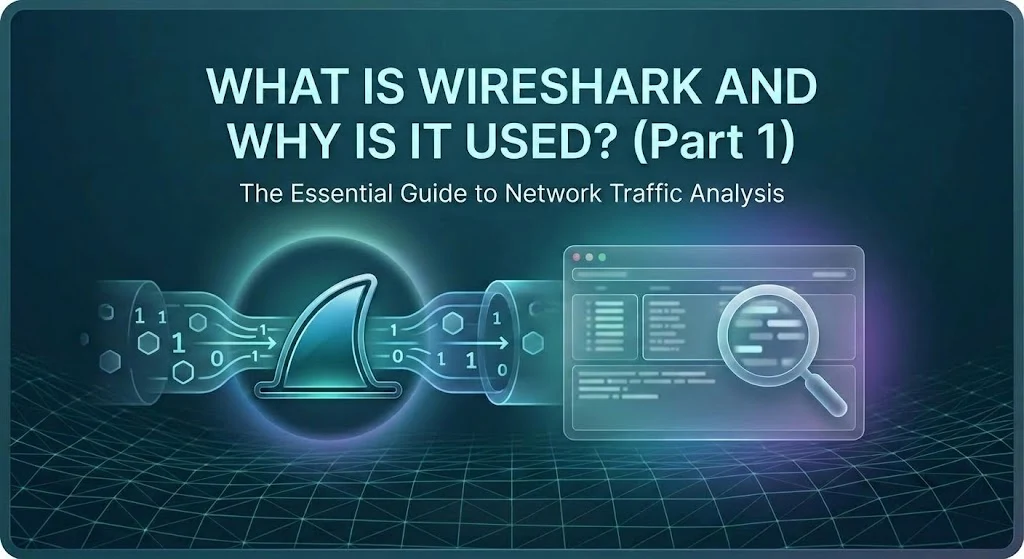
what is wireshark and why it is used ? (Part 1)
Wireshark is a network protocol analyzer that allows us to capture and inspect network packets as they travel between devices. Instead of simply looking at whether a connection works or fails, Wireshark allows us to look inside the communication and understand what is happening at the packet level.

Reflecting on My BSc (Hons) in Information Technology Specializing in Computer Systems & Network Engineering at SLIIT (2021–2025)
When I look back at my journey starting from July 2021 all the way to completing my final requirements, enrolling in the BSc (Hons) in Information Technology specializing in Computer Systems and Network Engineering (CSNE) at the Sri Lanka Institute of Information Technology (SLIIT) was one of the most defining choices of my professional life.
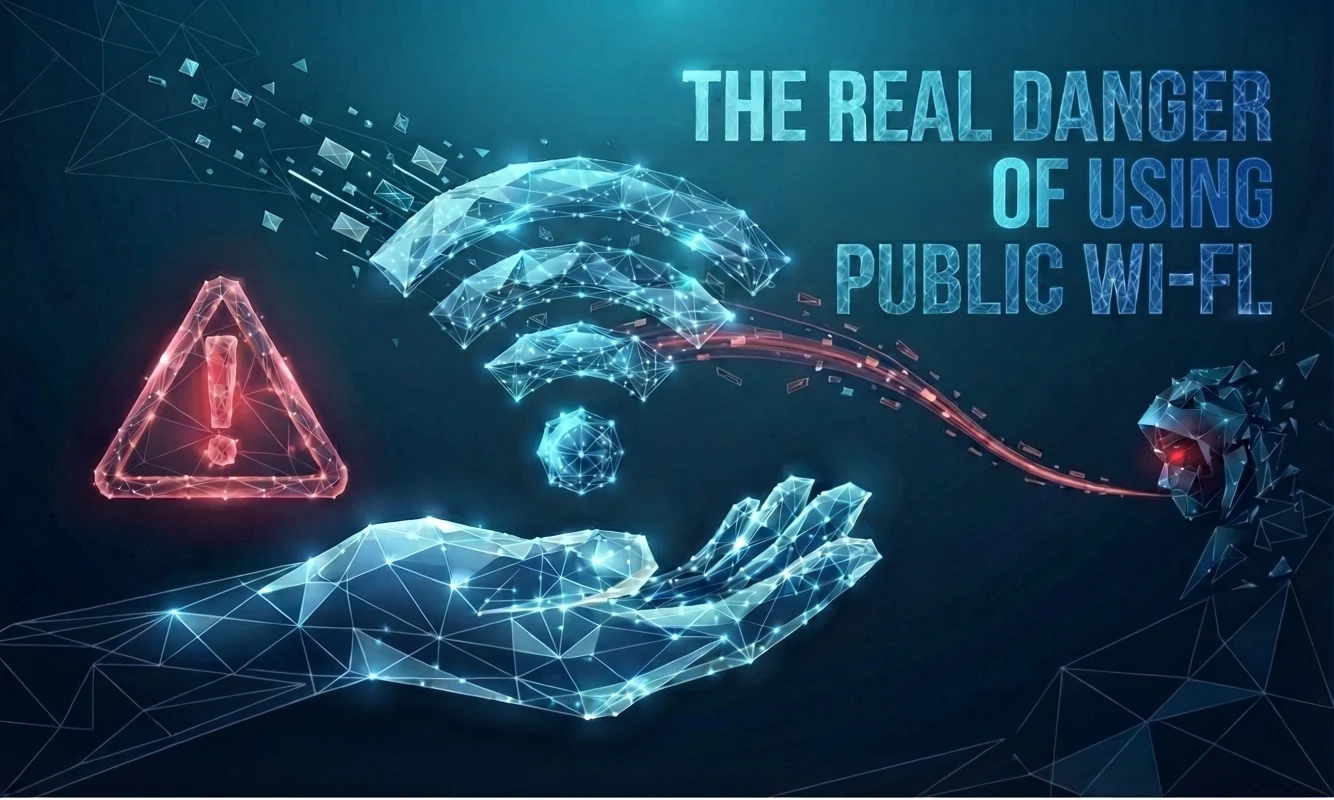
The Hidden Vulnerabilities of Public Wi-Fi: Why Open Networks Are a Trap
Ever logged onto a coffee shop's "free" Wi-Fi and did your office work while enjoying a good cup of coffee freely and happily, did you feel completely safe on free Wi-Fi? Think again. Behind that open connection lies a silent playground for hackers where passwords don't even need to be cracked, because your active sessions are stolen in plain sight. Discover why multi-factor authentication isn't enough and what you can do right now to protect your data before your next public login. Read the full post to uncover the hidden traps of unsecured networks!
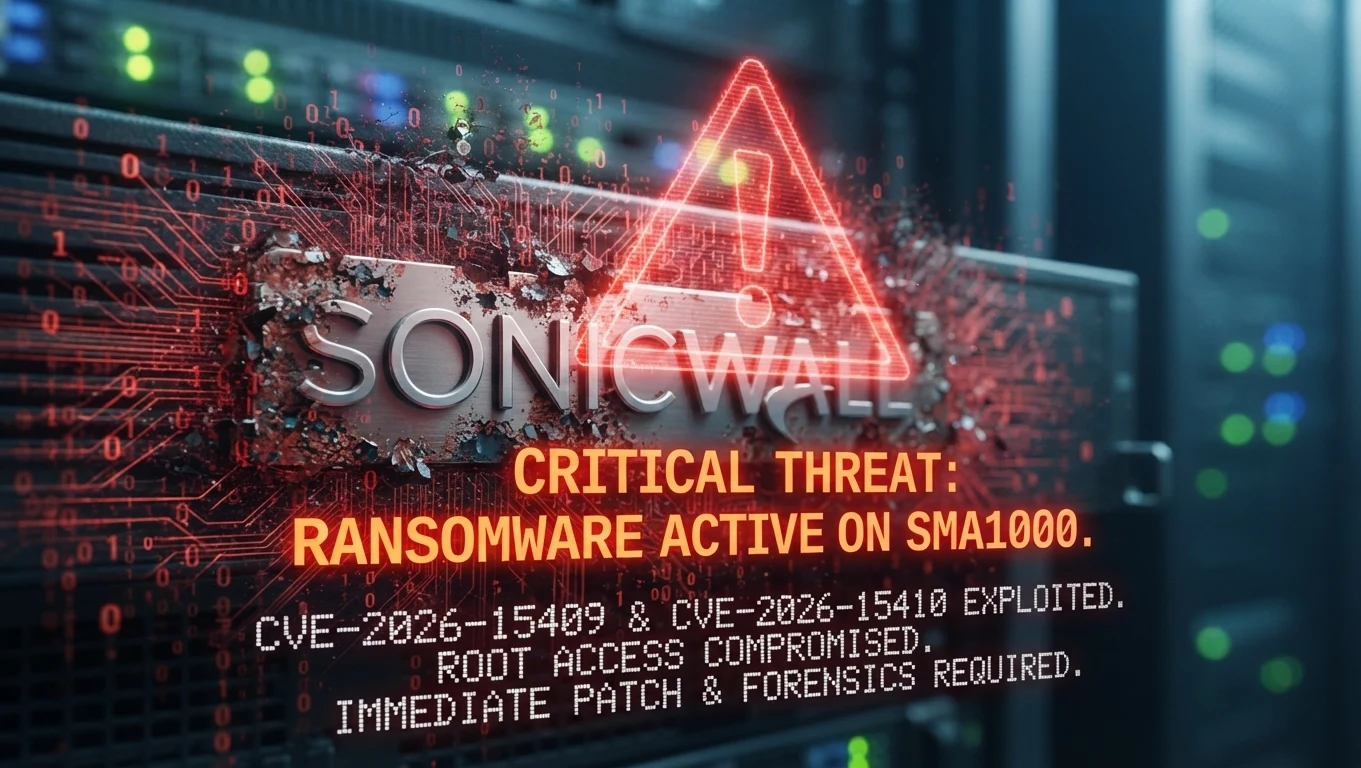
Urgent Security Alert: Active Exploitation of SonicWall SMA1000 Vulnerabilities Threatens Enterprise Infrastructures
Enterprise environments are facing significant security threats after the confirmation that ransomware operators are actively exploiting two high-severity zero-day vulnerabilities affecting SonicWall Secure Mobile Access (SMA) 1000 appliances.